Switching a House to LED Without the Showroom Regret
The regret with LED is never the bulb itself. It's one of four details getting skipped before the switch.
September 9, 2026 · 3 min read
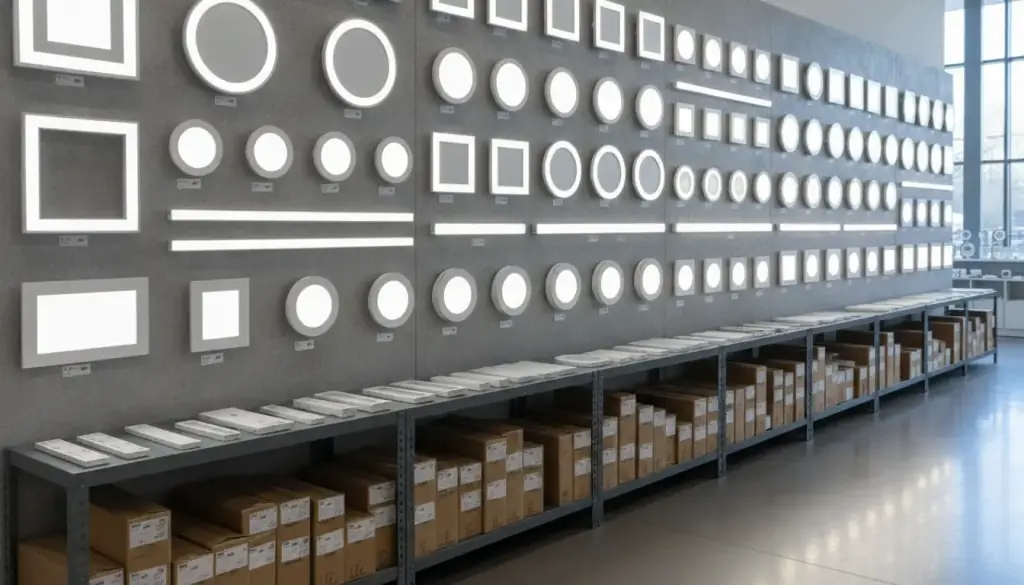
The most common complaint about switching a house to LED isn't about LED as a technology. It's a mismatch that happens at the point of purchase: a bulb that looked fine in the package but turned a warm living room into something that feels like an exam room, or a dimmer that flickers and buzzes with the new bulbs installed. Almost all of it traces back to four things that are easy to check before buying, not after.
Color temperature is the one people notice first
Color temperature is measured in Kelvin, and it's the difference between a soft, warm glow and a cool, clinical white. A lower number reads warmer, closer to old incandescent light; a higher number reads whiter and cooler, closer to daylight. Mixing temperatures room to room, or even fixture to fixture in the same room, is the fastest way to make a house feel inconsistent after a switch. Deciding on a temperature and matching it across a room, or a whole floor, is worth doing before buying in bulk.
Output matters more than the word "bright"
A bulb's actual light output is what determines whether a room feels properly lit, not the wattage number people are used to from incandescent bulbs. Swapping bulb-for-bulb by wattage habit, rather than by actual output, is how a room ends up dimmer or harsher than expected. This is exactly the kind of comparison a supply counter is set up to walk through, because it depends on the specific fixture and the specific room, not a rule of thumb.
Dimmer compatibility is where the flicker comes from
An old dimmer switch built for incandescent bulbs is often the actual cause of a flickering or buzzing LED, not a defective bulb. LED-compatible dimming hardware, Lutron is a brand carried here, is built differently from older dimmers, and pairing new bulbs with an old dimmer is one of the most common sources of the complaints people blame on LED itself. If a room is going to be dimmed regularly, checking dimmer compatibility before buying bulbs, or at the same time, saves a second trip.
What changes about the fitting itself
LED changes more than the bulb in some fixtures. Recessed cans, under-cabinet strips and certain enclosed fixtures sometimes need a different trim, driver or fixture entirely to run LED properly rather than just a swapped-in bulb, particularly in older housings never designed with LED heat and dimming behavior in mind. This is worth asking about fixture by fixture rather than assuming every socket in the house takes the same conversion.
- Pick one color temperature per room, or per floor, and stick to it
- Match actual light output to the room's use, not habit-based wattage
- Confirm dimmer compatibility before wiring in new dimming hardware
- Ask fixture by fixture whether recessed cans or enclosed fixtures need a different trim or driver for LED
Arrow carries LED lines including Atlas, Eaton/Cooper Lighting, MaxLite and Rab Electric across its Bel Air, Aberdeen and Elkton counters, alongside Lutron dimming hardware. See /services/led-lighting for the current range, or bring an old fixture or dimmer to the counter and start from what's actually installed in the house. Any work involving new wiring or panel changes is a job for a qualified electrician, the switch to LED itself is a product decision, not a wiring project.
Arrow Electrical Supply Co., Inc., 410-838-2271
Call 410-838-2271More articles
What a Supply House Carries That a Home Center Doesn't
The big box aisle is built for one kind of shopper. A supply counter is built for the job in front of you.
How to Walk Into the Counter Prepared
A five-minute counter conversation can save you two trips, if you bring the right three things with you.